
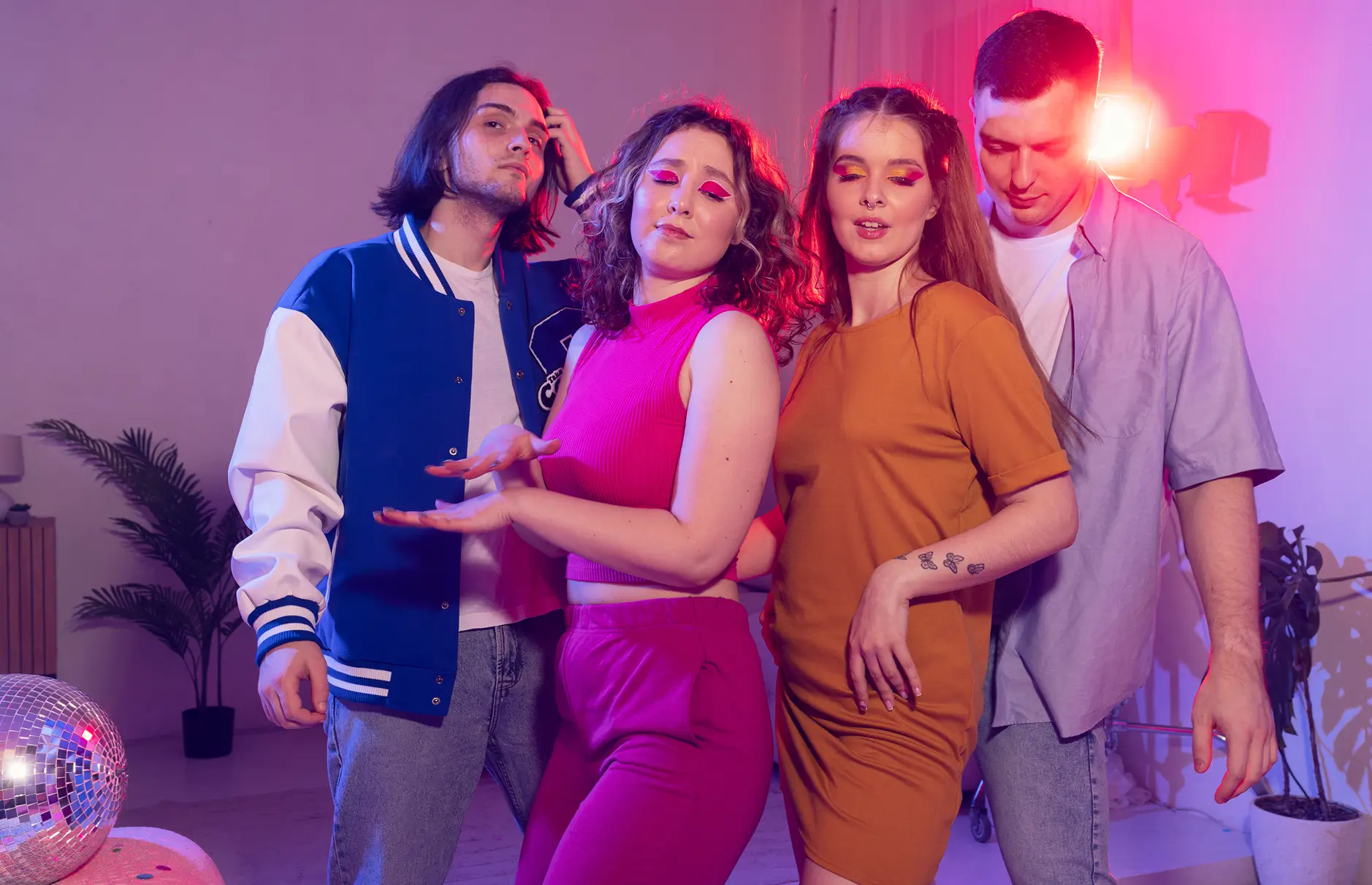
Movement was never meant to be perfect
The first thing I ask a new class to do is walk across the studio. No steps, no counts, just walk. Within ten seconds you can see who is performing the walk and who is simply walking. The second group is always more interesting to watch.
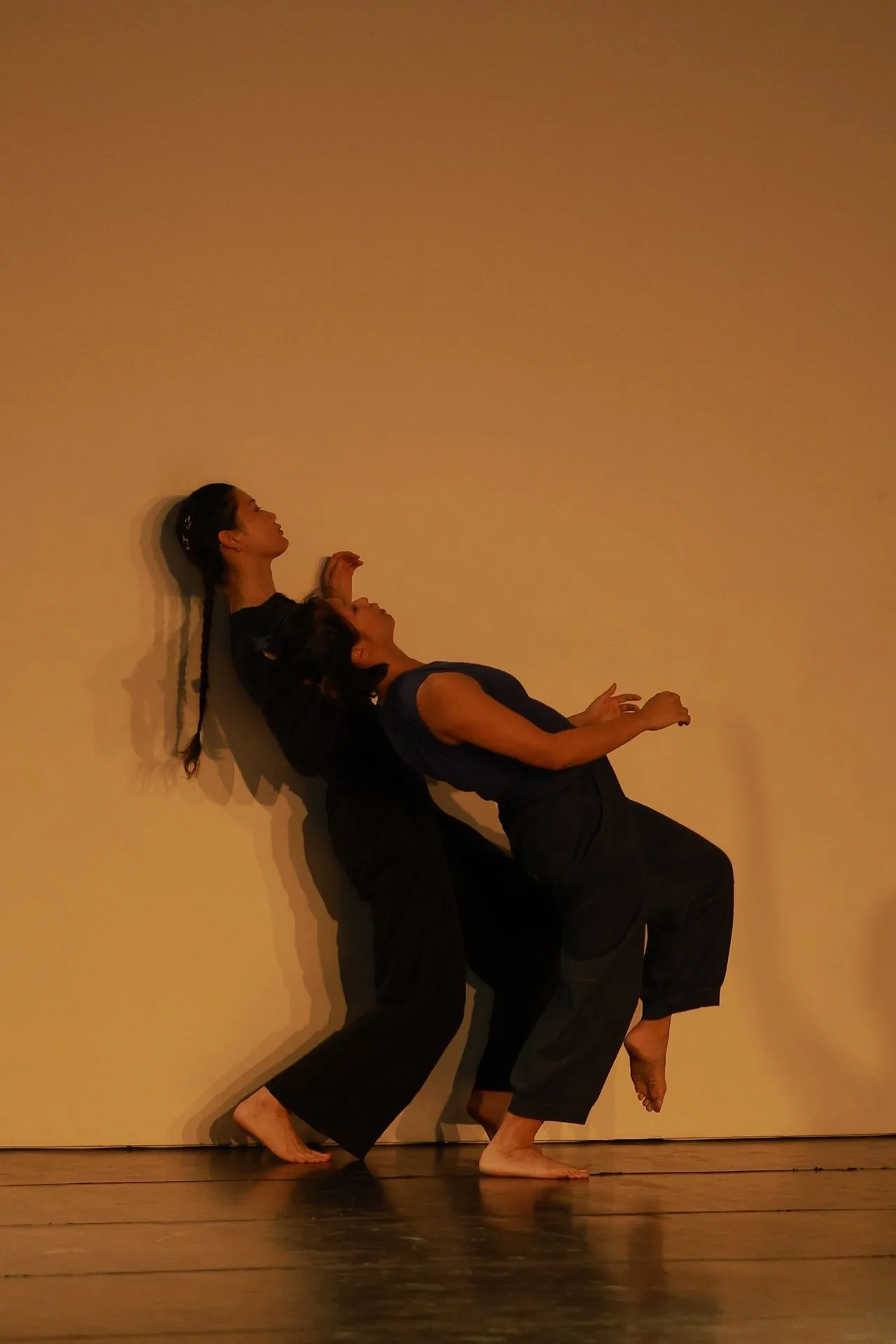
Art in movement does not start with technique. It starts with honesty. Technique is what lets you repeat an honest moment on purpose, night after night, without losing it.
Find your natural rhythm first
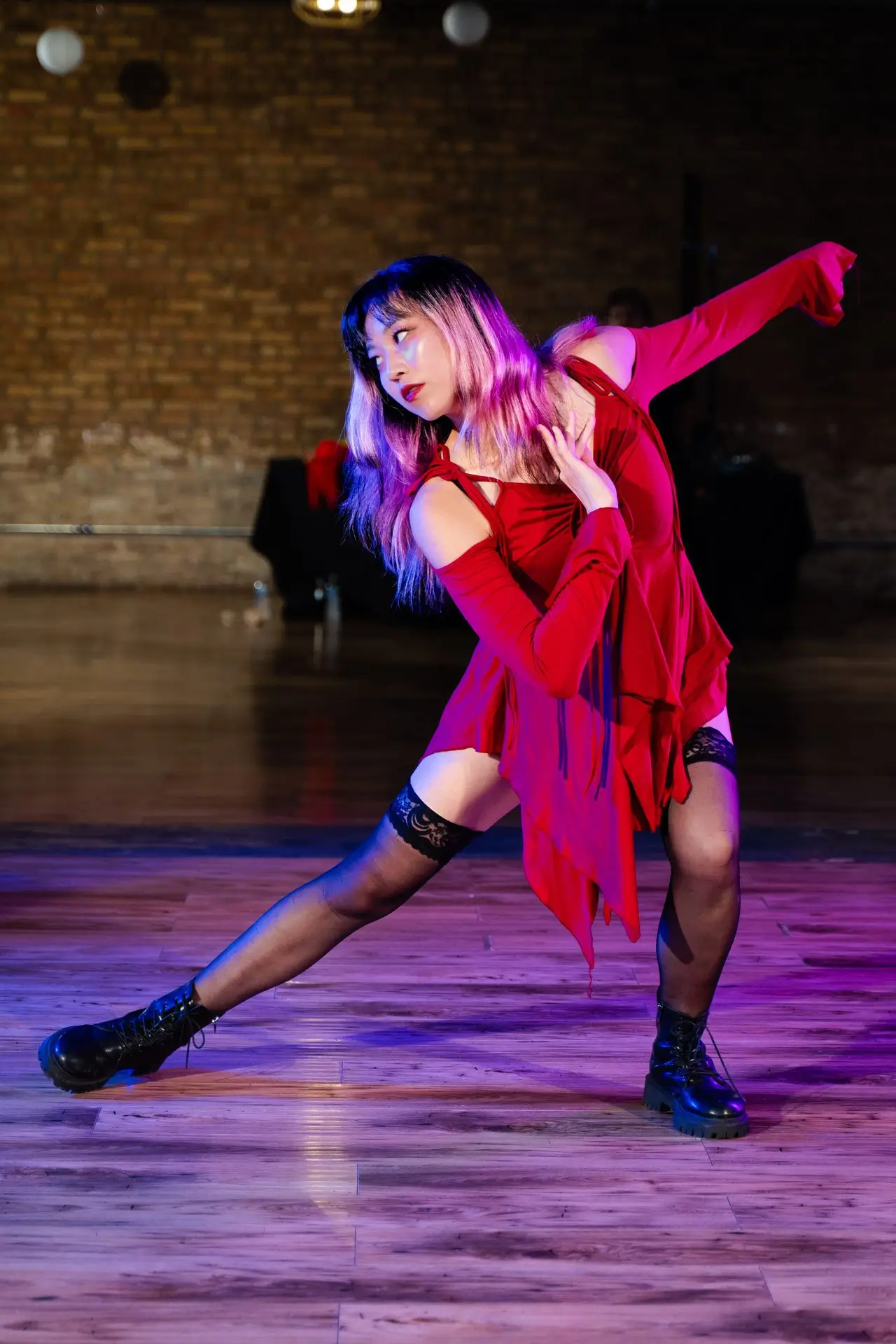
Every body has a pace it prefers. Some dancers are quick and sharp, others are slow and heavy, and most of us are somewhere in between. Before we choreograph anything, we spend a full session just finding that pace through free movement to different tempos.
Once you know your natural rhythm, you can choose when to go with it and when to push against it. That choice is where style comes from. Without it, you are only copying the person at the front of the room.
.webp)
Let the music lead, then answer it
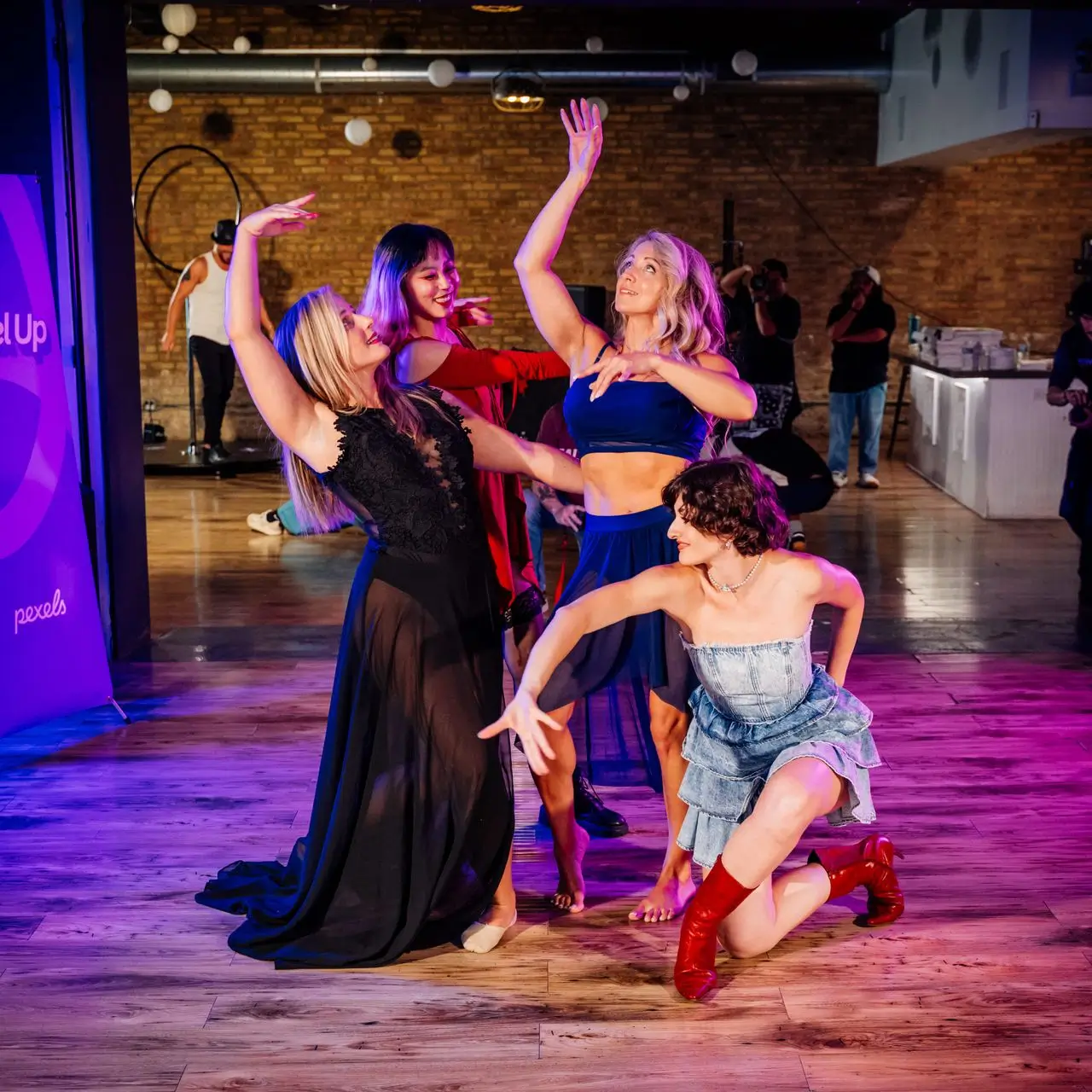
Beginners dance on the music. Experienced dancers dance with it. We practise listening for the small things — a breath in the vocal, a bass line that drops out — and giving each one a physical answer, however small.
You do not need to be a dancer to move like an artist. You need to stop apologising for how your body wants to move.
Make space for play
Every class ends with five minutes of free movement. No mirrors, no corrections, no audience. It is the part students say they look forward to most, and it is where most of their best ideas quietly begin.
.webp)
.webp)
.webp)

.webp)
.webp)
.webp)
Come take the floor, everyone!
Book a free trial class, or brief us on your event. Either way, the first conversation costs nothing.
.webp)