Every piece starts with a feeling, not a step
When I begin choreographing, I never start in the studio. I start with a single feeling I want the audience to leave with — restlessness, relief, joy that is almost too much — and I write it down in one sentence.
Every movement that follows has to earn its place by serving that sentence. If a step looks impressive but says nothing, it goes, no matter how long it took to build.
Build a small vocabulary
Strong pieces usually use fewer movements than you would expect. We create six to eight core phrases, then repeat, reverse, slow down and break them apart across the piece.
Repetition gives the audience something to hold on to. Variation keeps them leaning forward. Together they turn a sequence of steps into something that feels like a language.

Use stillness as a tool
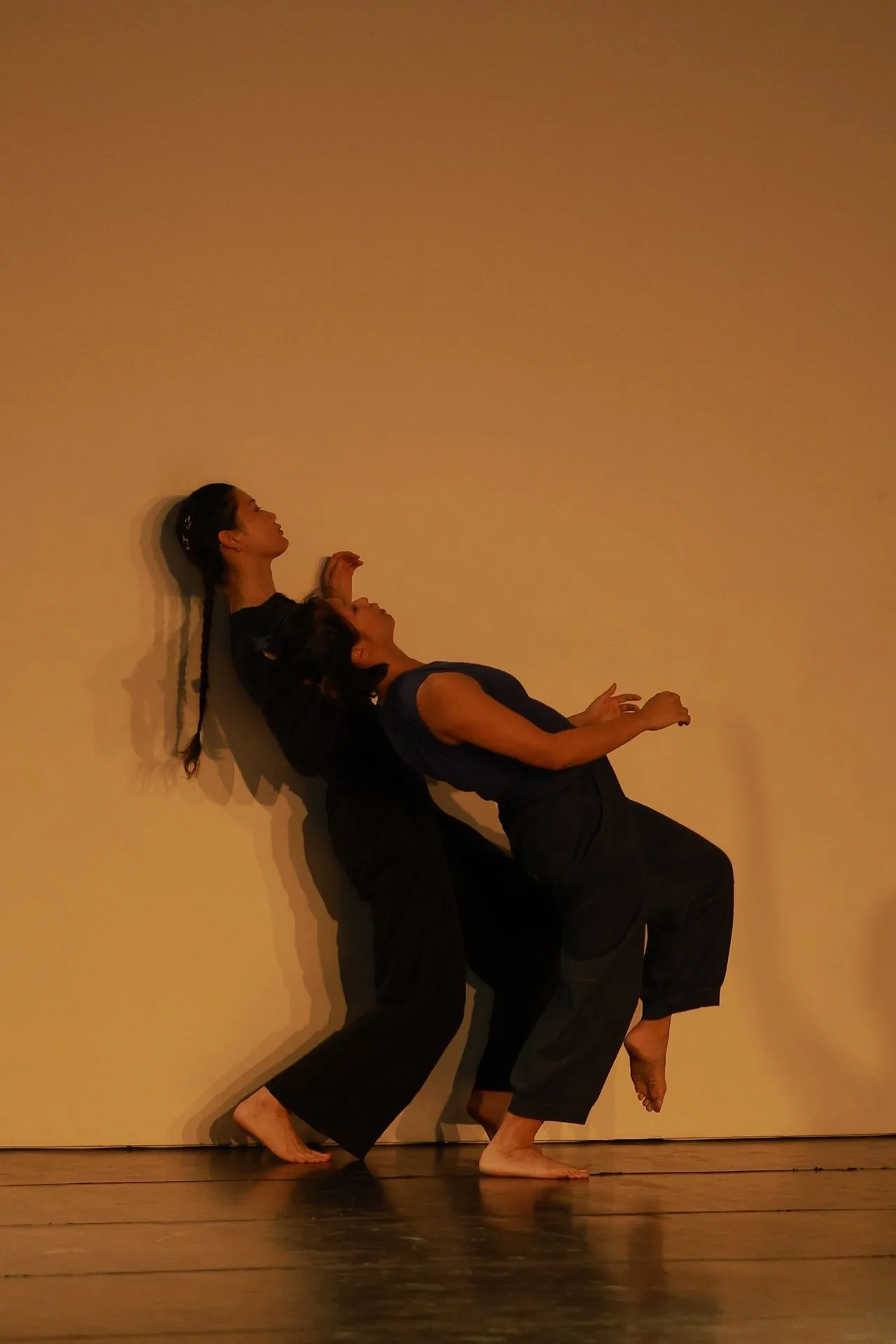
New choreographers are often afraid of stillness, so they fill every count. But a moment where nobody moves can be the loudest part of a piece. We deliberately build in pauses and teach dancers to stay fully alive inside them.
Art is not about filling every beat. It is about choosing which moments deserve to be seen.
Invite the dancers into the process
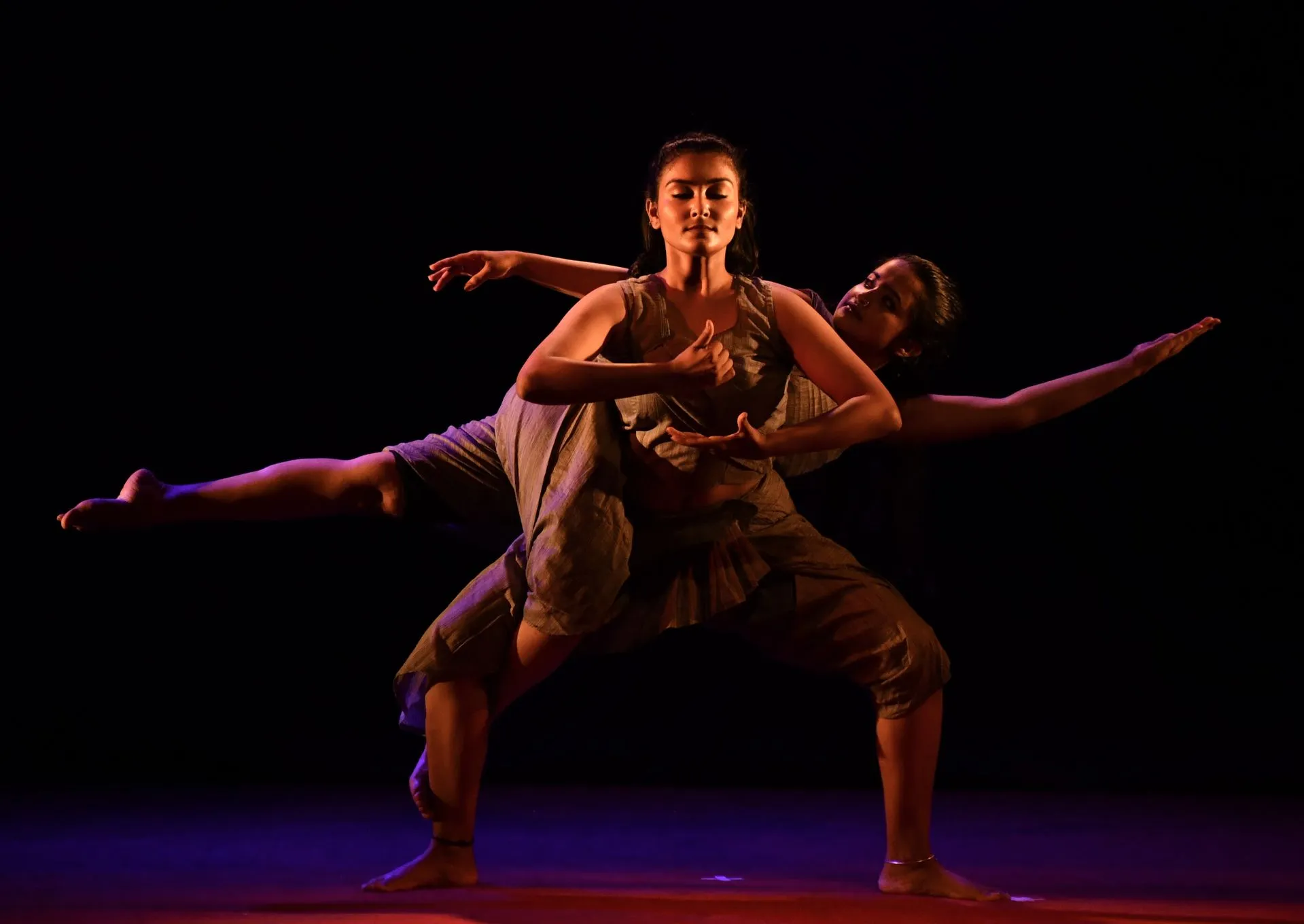
The best material in our pieces rarely comes from me alone. I give the group a task, watch what they discover, and shape it. Dancers perform more fully when part of the piece is truly theirs.
.webp)
.webp)


.webp)
.webp)
.webp)

Come take the floor, everyone!
Book a free trial class, or brief us on your event. Either way, the first conversation costs nothing.
.webp)